- The Sideline
- Posts
- Contract Enforceability in College Sports
Contract Enforceability in College Sports
Can collectives enforce buyout clauses with players who transfer? 🤔

Sideline Sports Law
April 24, 2025
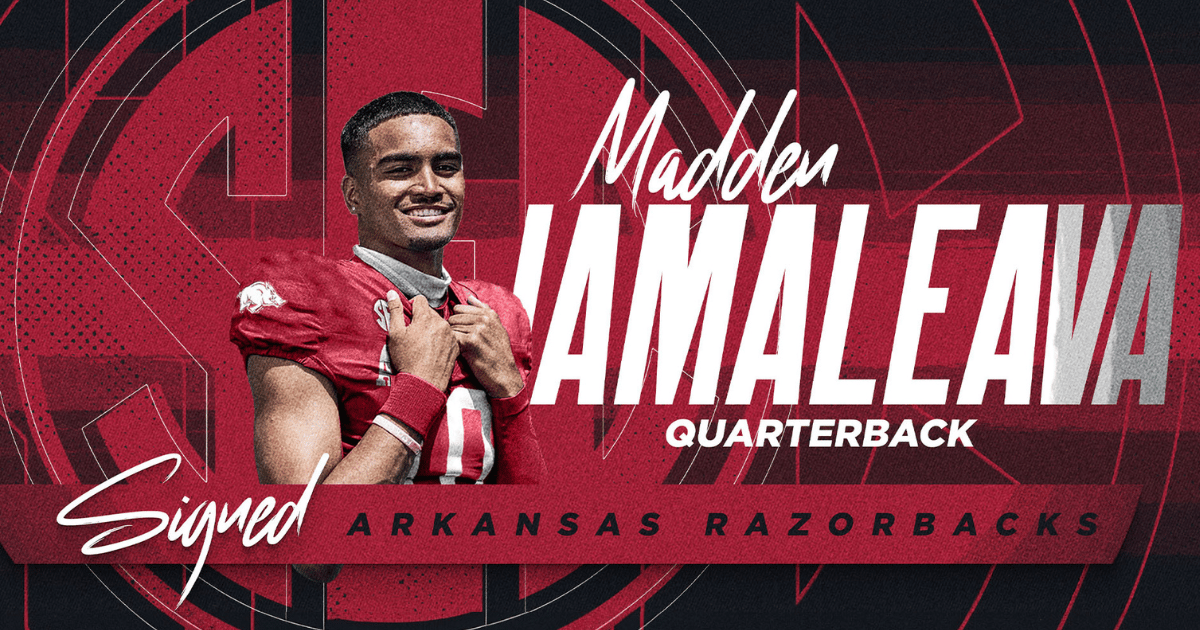
The college sports world has been fixated on the “Nico drama.”
Nico Iamaleava, the quarterback who led Tennessee to the 2025 College Football Playoff, dramatically left Knoxville and returned home to UCLA last week.
Critics called out Nico and his camp for how they handled the situation.
Meanwhile, Nico’s brother Madden arrived at the University of Arkansas a few months ago after decommitting from UCLA. Although Madden hasn’t played a snap for the Razorbacks, he entered into an NIL contract with the school’s NIL collective, the Arkansas Edge.
So what’s the problem?
This week, Madden entered the transfer portal and will look to leave Arkansas (reportedly back to UCLA to reunite with his brother) before his NIL contract was set to expire.
Here’s why the dilemma matters:
What Happens Next?
Hours after Madden entered the transfer portal, Arkansas athletic director Hunter Yuracheck released the following statement, which appears to address Madden’s decision:

Showing support for the collective, the Arkansas AD seems to imply that Madden “violated” an agreement with Arkansas Edge by entering the portal.
By leaving before his NIL contract was set to expire, Madden prompted the collective to attempt to enforce a “buyout” clause, and Arkansas Edge has issued two demand letters to players to pay buyouts back to the collective.
According to On3’s Pete Nakos, Arkansas Edge is demanding about $200,000 back from Madden.
However, according to Front Office Sports, the situation unfolding in Fayetteville is not unique to Arkansas. Collectives around the country are dealing with attempts to recover money from players who are entering the transfer portal at unprecedented rates.
For example, remember the Xavier Lucas situation? The former Wisconsin DB dropped out of school and enrolled at UMiami — without entering the portal. The Badgers argued a revenue-sharing agreement Lucas signed contained a buyout clause and have since hinted the school might pursue litigation to resolve the alleged breach of contract.
But will simply inserting a buyout clause in a contract make the buyouts enforceable?
In professional sports, buyouts are paid by the team the athlete transfers to. At the college level, collectives are attempting to insert buyout clauses that require the player to pay or return a portion of the money if the athlete violates the agreement.
At Arkansas, for example, collective deals have a one-year term and the buyout forces the player to pay back 50% of the remaining earnings through the lifetime of the contract, according to sources reporting to FOS.
Leading Sports Law Attorneys Weigh In
According to sports lawyer Darren Heitner, who has represented several college athletes (including the FSU men’s basketball players who sued their head coach), it depends on how the buyout language is framed.
Heitner told FOS that “buyouts framed as ‘penalties’ are often less enforceable legally than buyouts framed as ‘damages.’”
Sports lawyer Mit Winter also weighed in, explaining that the collective would need to tell a court or arbitrator it will suffer a non-speculative amount of damages because it can no longer use the specific athlete’s NIL rights, which may be difficult to prove.
SEC Commissioner Talks Contract Enforceability
While the Iamaleava-Arkansas situation continues to unfold, SEC Commissioner Greg Sankey spoke at the World Congress of Sports in Nashville.
Here’s what he said when asked, “How can schools, among other things, enforce contracts amid the transition period?”

Looking Ahead + My Thoughts
Not gonna lie, I laughed when I read Greg Sankey’s quotation. A law degree and a Twitter account — that’s a lethal combo.
In all seriousness, we’re living in fascinating times right now. The commissioner of arguably the most powerful college conference is questioning contract law. Even he himself does not know what is (and is not) enforceable in the current landscape.
I would imagine many of the buyout dilemmas settle behind closed doors before entering the courtroom. But there is so much uncertainty right now that I wouldn’t be surprised if a situation similar to Madden Iamaleava or Xavier Lucas (where a collective or university tries to enforce a buyout clause) ends up in court.
A court decision could set a precedent that other players, schools or collectives could use to their advantage — depending on how the court rules.
I’ll be monitoring the Madden Iamaleava situation and am excited to see how the current college athletics landscape interacts with contract law and the enforceability of agreements, or in this case, buyout provisions.
Conversation Starters 🗣️
House Settlement in Jeopardy Over Roster Limits 👩⚖️
After hinting at approval of the multibillion-dollar settlement last week, District Judge Claudia Wilken told the NCAA and its members she would not approve the House settlement unless they changed a proposed policy for limiting roster sizes. Judge Wilken did not have issues with any other parts of the proposed settlement, which is “tentatively” approved as long as the roster limits issue is resolved.
Shannon Sharpe Sued for $50M 🎤
According to the complaint, plaintiff Jane Doe is alleging sexual assault, battery, and intentional inflection of emotional distress against Sharpe. In response, Sharpe’s attorney posted a series of alleged texts from the plaintiff on social media, and stated Sharpe “categorically denies all allegations of coercion or misconduct.” Plaintiff’s counsel is Tony Buzbee, who has made a name for himself representing plaintiffs against sports and entertainment celebrities — including a recent case against Jay-Z that was later withdrawn by the plaintiff.
NY Rangers’ Panarin, MSG Sports Settle with Former Employee 🏒
The former employee did not immediately alert the team, but informed the team about the alleged assault after there was a separate investigation where she shared anti-anxiety medicine with a player while flying. The settlement included a non-disclosure and no admission of wrongdoing clauses. Both MSG and the woman stated “the matter has been resolved” and the NHL and Rangers declined to comment whether Panarin was subject to any discipline.
That’s all I got this week.
Hope you’ve enjoyed the start of the NBA and NHL playoffs!
Remember to share The Sideline with all of your sports law friends 🤝
See you next week,
Duggs
Know someone who will enjoy this newsletter? Share it with them and have them sign up here: https://thesideline.beehiiv.com/subscribe
Sources:
The Sideline’s work, including this article, is for information purposes only and should not be construed as legal advice. This article does not create an attorney-client relationship. The opinions expressed in the article belong solely to the author and do not express the views or opinions of the author’s employer.