- The Sideline
- Posts
- The Push For Federal Lobbying
The Push For Federal Lobbying
Anticipated regulation from Congress sends organizations to DC 🇺🇸

Sideline Sports Law
January 30, 2025
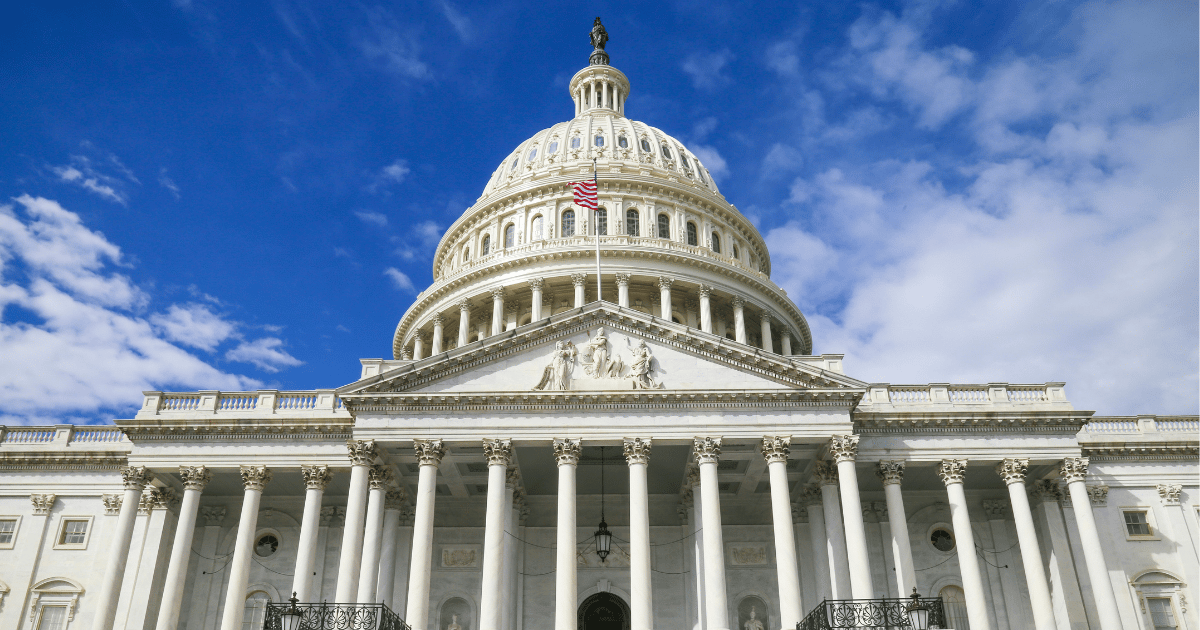
If you’re a college sports fan you may have heard of the House settlement.
I provide the full breakdown below but start with an important takeaway: if the House v. NCAA settlement receives final approval, it is expected to pave the way for universities to share revenue — up to $20M/year per school — directly with athletes.
Yes, this would be a monumental shift in the college athletics landscape.
Leading up to the House final approval “Fairness Hearing” scheduled for early April, stakeholders in college sports want their voices heard.
And to have a say in the future of college athletics, organizations are investing in federal lobbying in anticipation of regulation from Congress.
Here’s what’s happening:
AFCA Wants Their Voices Heard
The American Football College Association, or AFCA, consists of 11,000 members at both the high school and collegiate levels. Recent federal lobbying disclosures revealed that the Coaches Association hired two organizations to advocate for the coaches: Chet Culver Group and Capitol Counsel.
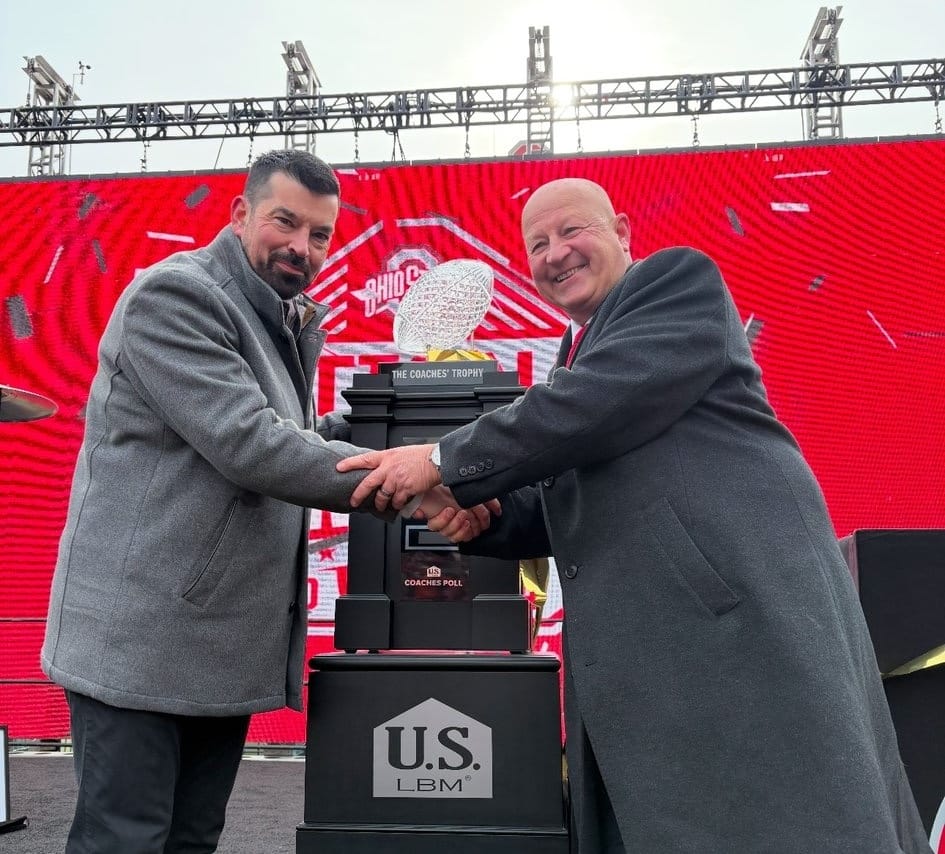
AFCA executive director Craig Bohl with Ohio State head coach Ryan Day
According to AFCA executive director Craig Bohl, the organization is focused on two specific issues: regulating NIL agents and the transfer portal.
Regulating NIL Agents
Concerns over unscrupulous agents date back to (at least) July 1, 2021, when college athletes could legally profit from their NIL. Despite several claims about NIL agents taking advantage of student-athletes, the agent industry remains unregulated.
Regulation could include, as we see with other governing bodies, requiring agents to get certified, capping their percentages, or enforcing punishments for unethical behavior.
The Transfer Portal
Coaches have also voiced their frustrations with the current transfer portal model. The current system allows players to transfer as often as they’d like, and some athletes have even transferred without the portal, as we discussed last week with former Wisconsin DB Xavier Lucas.
Constant player movement results in coaches needing to rebuild their roster every season. However, limiting a player’s desire to transfer could be seen as an unlawful restraint of trade and lead to antitrust violations.
Therefore, coaches are advocating for finding a balance that allows for roster stability but does not simultaneously infringe on a player’s right to relocate.
Other Stakeholders Involved
AFCA is not alone in its federal lobbying efforts.
In November, a group of Olympic sports coaching associations hired lobbying firm FCS Global to help them preserve the future of their sports, according to federal disclosures reported by Politico.
The lobbying efforts were prompted by rumors that universities may cut funding or eliminate certain Olympic sports programs, like field hockey and gymnastics, that do not generate as much revenue as basketball or football.
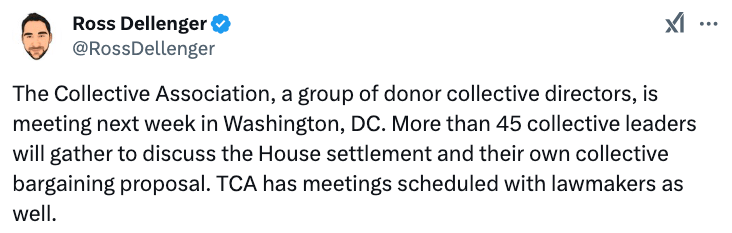
In addition, according to Ross Dellenger of Yahoo! Sports, The Collective Association is also gathering in the Nation’s Capital to meet with lawmakers and discuss the House settlement.
The Collective Association, which consists of more than 40 NIL collectives, spent $80,000 on Congressional lobbying efforts in the second quarter of 2024.
How collectives will play a role in the future of college sports remains uncertain. Especially if the House settlement is approved, collectives may shift from being the primary source of athlete compensation to taking on a supplement role under school-driven compensation models.
What Is The House Settlement?
The initial House v. NCAA lawsuit was filed by Arizona State swimmer Grant House and other student-athletes in 2020.
The complaint alleged that the NCAA unlawfully restricted athletes from profiting from their NIL and sought monetary damages for previous athletes who could not capitalize while in school.
If the settlement is finalized, here are a few groundbreaking changes we may see:
Revenue sharing with athletes
Schools would be allowed to share up to $20M per year with their athletes
Backpay for previous NIL restrictions
The NCAA and conferences agreed to pay approximately $2.8B in damages to compensate athletes who played from 2016 onward
Potential scholarship limits
Universities are likely to have greater control over roster management and athlete compensation
Even if the House settlement is approved, questions and uncertainties remain.
For example, how will smaller schools compete with powerhouse universities? How will Title IX compliance affect how resources are allocated? What about future challenges, including from college athletes who opted out of the settlement?
Notably, U.S. District Judge Claudia Wilken, who decided in favor of the plaintiffs in landmark cases O’Bannon and Alston is overseeing the House settlement final approval hearing.
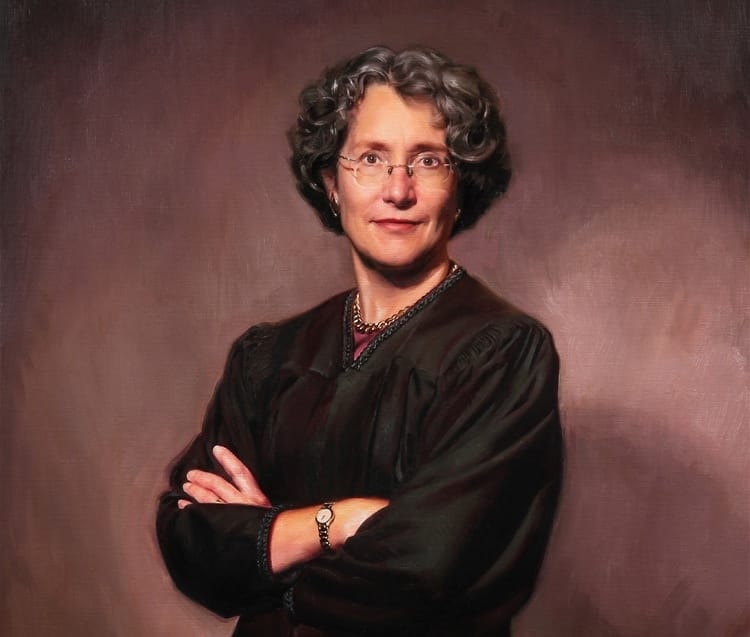
Senior U.S. District Judge Claudia Wilken
Looking Ahead + My Thoughts
I’ll start by admitting I’m biased — I was a college athlete from 2015-2019. I didn’t compete at the D1 level, didn’t go on to play professionally, and sure as hell didn’t bring in millions of dollars for my univerisity.
I do, however, feel that athletes — more than other stakeholders — deserve for their voices to be heard.
Yes, the coaches, collectives, and universities should have a say. Coaches especially play a crucial role in the college athletics landscape and have struggled to navigate the unregulated “NIL era” of college sports.
In fact, some of the greatest coaches we’ve seen have stepped away, and they’re not afraid to admit that NIL and the transfer portal were major factors in that decision.
The most prominent example? Alabama HC Nick Saban, who told ESPN in 2022: “I thought we could have a hell of a team next year, and then maybe 70 or 80 percent of the players you talk to, all they want to know is two things: What assurances do I have that I'm going to play because they're thinking about transferring, and how much are you going to pay me?”
In my opinion, we must strive for a fair and balanced system.
It’s not fair for coaches to have to rebuild their roster from scratch every year. It’s also not in the best interests of the athletes to transfer schools every year.
Regulating agents and tightening up the transfer portal won’t be easy. And to me, it’s less about whether or not are classified as “employees” and more about educating athletes on their rights and freedoms.
To find balance, we must hear the voices of all stakeholders but weigh each voice accordingly. Athletes are the ones actually generating the money, and they’ve been left out of the conversation for decades too long.
Conversation Starters 🗣️
Grand jury indicts four men as pro athlete break-ins continue 🏠
In connection with multimillion-dollar home break-ins, four Chilean men were indicted by an Ohio grand jury on Tuesday. Authorities did not explicitly connect the arrests to Joe Burrow’s December break-in, the men were existing suspects to the crime. Other professional athletes who have experienced recent break-ins include Luka Doncic, Patrick Mahomes, Travis Kelce, and Jaylen Brown’s mother.
Federal judge dismisses Dwayne Haskins’ family complaint 📄
A federal judge dismissed a lawsuit brought by the family of the late NFL QB Dwayne Haskins Jr. against Kalabrya Haskins, Dwayne’s widow. The lawsuit was filed due to concerns that Kalabrya will undermine a forthcoming documentary about Dwayne, who passed away in 2022. U.S. District Judge William S. Stickman IV held that the lawsuit failed to meet the requirement of ripeness — a legal doctrine that requires a lawsuit to present an actual case and controversy and not merely a hypothetical question.
That’s all I got this week.
If you have any thoughts or opinions on NIL, the transfer portal, agent regulation, or the House settlement, I’d love to hear them.
As always, you can directly reply back to this email.
Happy almost Friday,
Duggs
End with some Super Bowl trivia 🏈
📺 Super Bowl LIX commercials have reportedly sold for: |
Share The Sideline:
Know someone who will enjoy this newsletter? Share it with them and have them sign up here: https://thesideline.beehiiv.com/subscribe
Sources:
The Sideline’s work, including this article, is for information purposes only and should not be construed as legal advice. This article does not create an attorney-client relationship. The opinions expressed in the article belong solely to the author and do not express the views or opinions of the author’s employer.